Jaguar E-Type Buyers Guide
What to look for in an E-Type of any series: the steel centre section and the tubular front frame first, then the engine, gearbox and inboard rear brakes, and the numbers and papers that say what the car was built as.
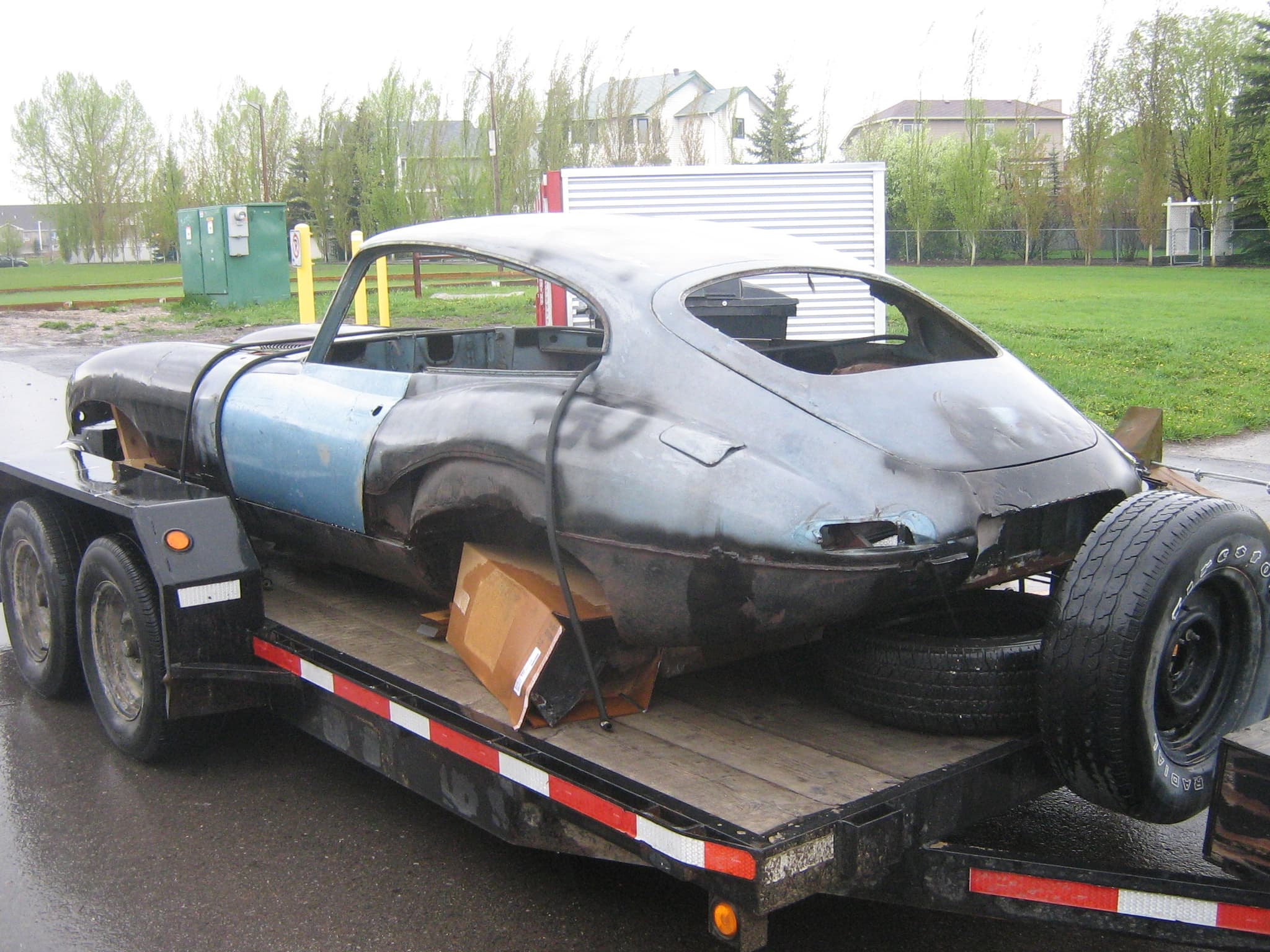
An E-Type is a steel monocoque, "almost entirely of 20 g. sheet steel" as Motor Sport described it in 1961, with a frame of square steel tubes bolted to its front bulkhead to carry the engine and front suspension, and the rear suspension in a cage of its own beneath the floor. Its closed box sections trap water. So "most cars will have had some degree of restoration by now", as an insurer's guide put it in 2023, and a buyer is often judging a restoration as much as a car.
The body comes first, the mechanics second. This page goes through both in that order, then the numbers and papers, the upgrades a buyer will meet, and a checklist to take along. Where a magazine has put a figure on a repair, it is given with its source and year.source 1source 2source 3
Which E-Type to look at
Every series has its own character, and the choice is about how the car will be used.source 2source 4source 5source 6source 7
| Choice | What to know |
|---|---|
| The 3.8, 1961–64 | The Moss gearbox (transmission), with no synchromesh on first and a slow change; the earliest cars, with flat floors and outside bonnet (hood) latches, are the rarest, and the later floors give more legroom |
| The 4.2, 1964–68 | Jaguar's own all-synchromesh gearbox, an alternator, a better brake servo and better seats; easier to live with |
| The "Series 1½", 1967–68 | Open headlamps and rocker switches; American cars on two Zenith-Stromberg carburettors, with less power. Not a factory name |
| The Series 2, 1968–70 | A bigger air intake and better cooling, better seats and ventilation; British cars kept three SU carburettors |
| The V12, 1971–74 | Roadster or 2+2, both on the long wheelbase, with power steering; most were automatics, the Jaguar Heritage Trust's page says |
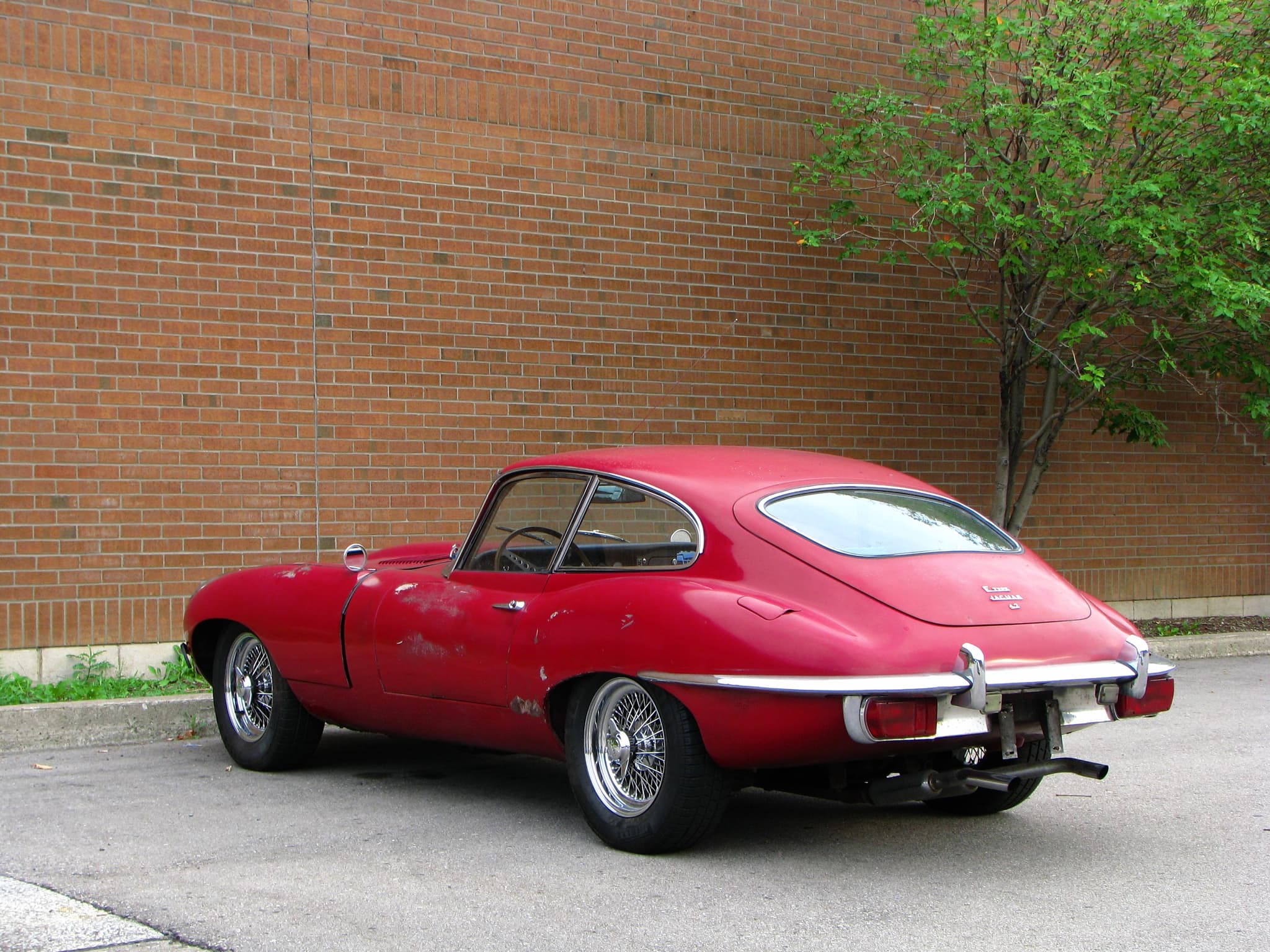
| Roadster, coupé or 2+2 | A matter of taste; the 2+2 is the most practical, and the coupé's tailgate and rear-wing (fender) seams add rust traps |
| Manual or automatic | The Borg-Warner automatic was offered on the 2+2 of the Series 1 and 2 and on the Series 3; its car number ends BW |
Body and structure
The front frame matters most. Its square tubes of Reynolds steel carry the engine and front suspension and bolt to the bulkhead, and they corrode:
If corrosion is found here, replacement is the proper remedy; repaired rails should raise immediate concerns about the wider condition of the car.
Behind the frame, "Structural corrosion is an ever-present concern, especially in floorpans, sills, rear arches and engine cradles", in the words of Goodwood's insurance guide. Motor Sport's account in 1989 of an early roadster's restoration found the outer sills rotten and the panels of the centre section "rusting from the inside outwards", because moisture was trapped in the closed box sections.
The front frame
Look at the square tubes and their bolted joints to the bulkhead. Corroded tubes should be replaced, and repaired ones are a warning about the rest of the car.
Sills and floors
Check the outer and inner sills (rocker panels), the joint between sill and floor, the floor pans, worst on roadsters, and the box sections of the centre section.
The back of the car
Look at the rear wheel arches, the mountings of the rear suspension cage and the boot (trunk) floor.
Coupés
Check the seam where the outer rear wing meets the inner wing, and the tailgate's seams, bottom edge and glass aperture.
The bonnet
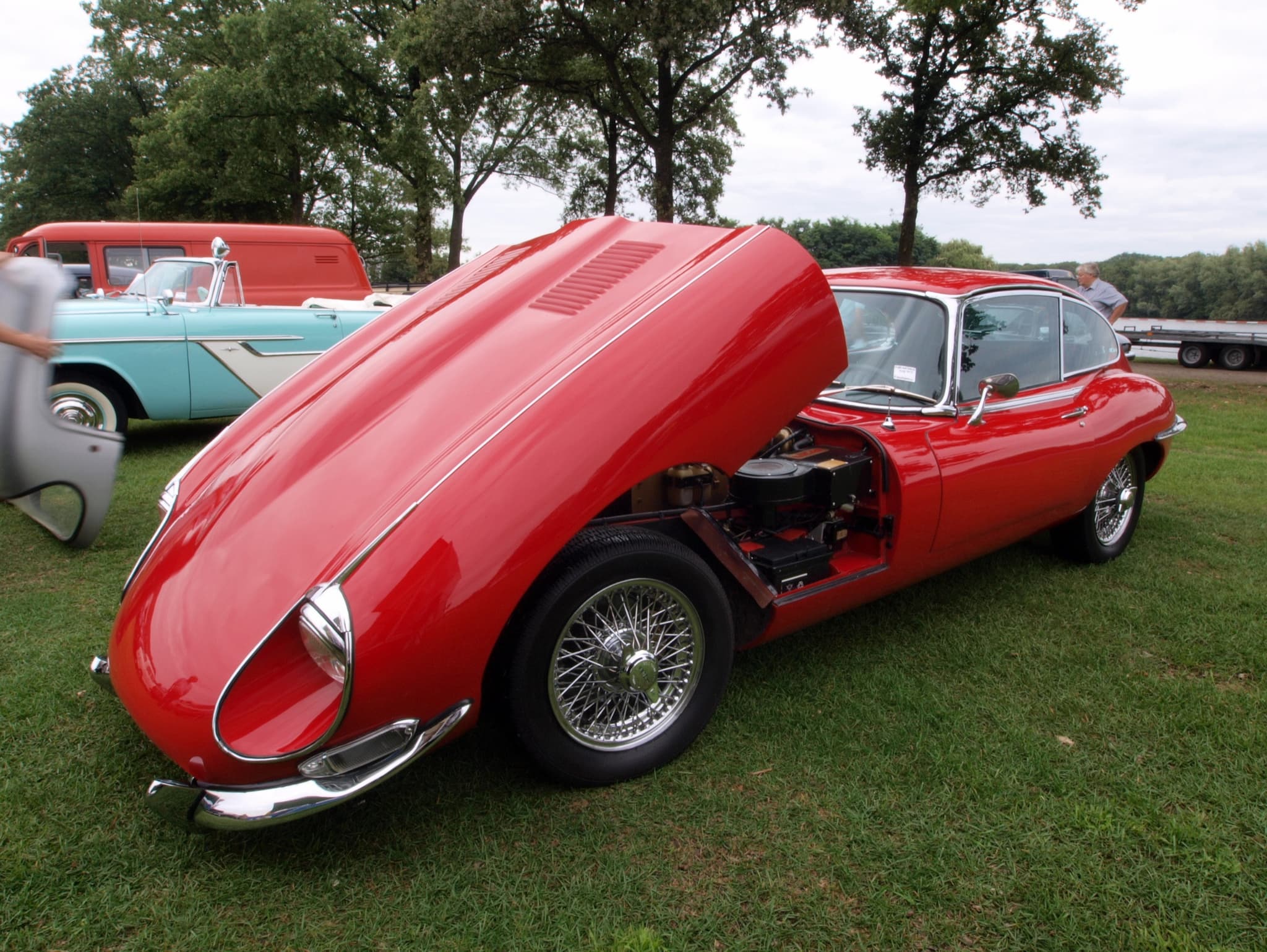
It is one large panel of several sections, which rusts in the seams behind its trim and is damaged at its leading edge; it should fit and close cleanly.
Doors and scuttle
Look at the door bottoms and the scuttle, at the windscreen (windshield) and at the sills.
Engine
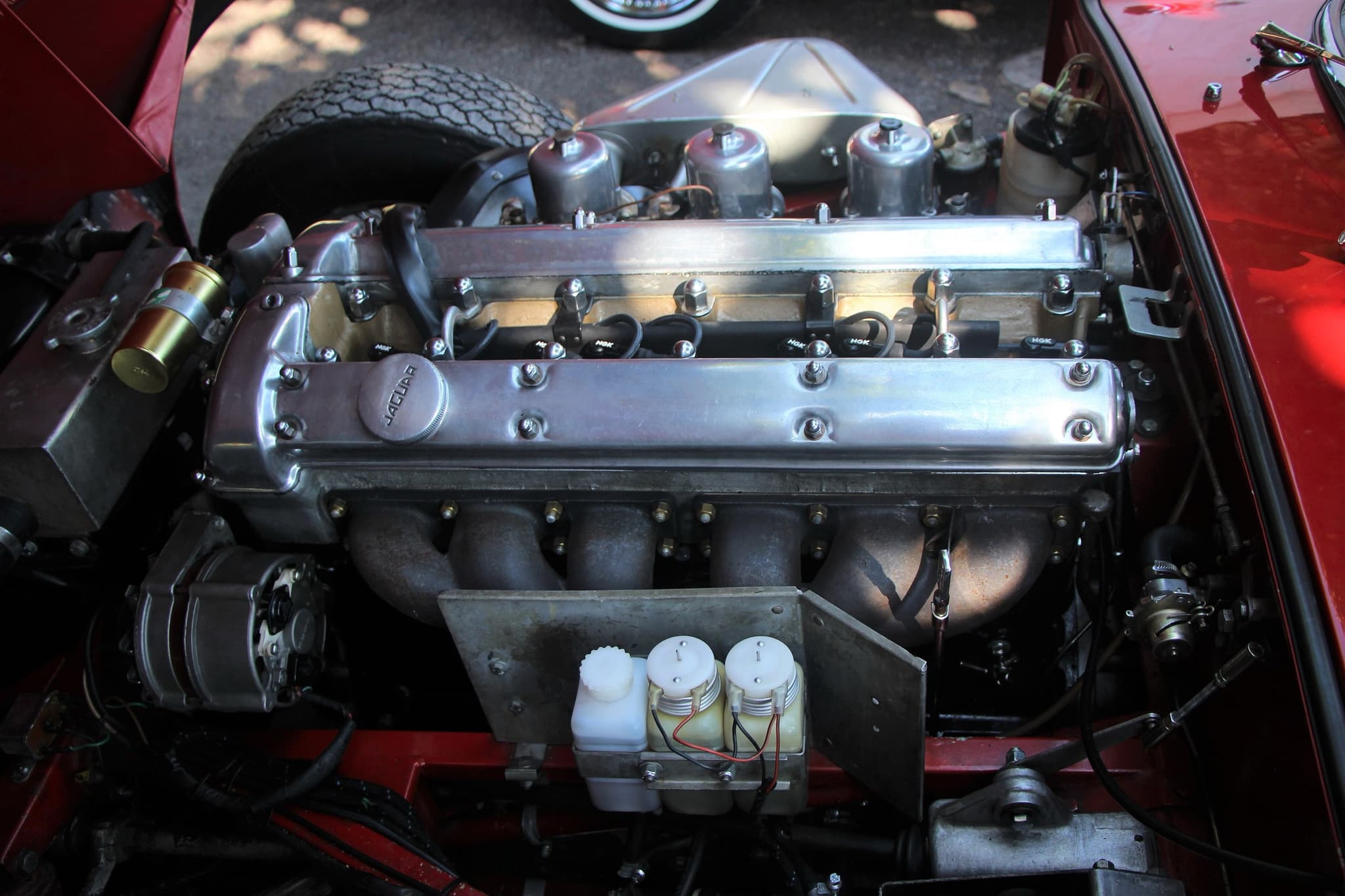
The XK six is tough if it has been looked after. On the six-cylinder cars, check for a failing head gasket, with a creamy residue under the oil filler cap or oil in the coolant, rattling timing chains, a deep rumble from the bearings, smoke once the engine is warm, and steady oil pressure; Prestige & Performance Car gives a healthy engine's hot pressure as about 2.8 to 3.1 bar (40 to 45 psi) at 3,000 rpm. The cooling fan should cut in, and early cars ran hot. The magazine's owner's guide of September 2023, which, like its buyer's guide, was published with a dealer's sponsorship, advises regular coolant changes on Series 2 cars especially, to keep the cylinder-head studs from seizing.
The V12 has checks of its own. One restorer's guide advises letting it idle hot and watching the temperature and oil pressure, since it is prone to overheat, and Prestige & Performance Car notes that its timing-chain tensioner "usually works well, but can start to slip" and that its four carburettors need a specialist to balance them.
A rebuild is a specialist's job. Prestige & Performance Car put a typical XK rebuild at £10,000 to £15,000 in 2026, and more for a concours or uprated engine: the magazine's figure for that year. Looked after, the engine lasts: Denis Jenkinson's 4.2, in its first 64,000 km (40,000 miles), needed only oil, plugs, filters and two adjustments of the top timing chain.source 2source 5source 9source 3source 4source 8
Gearbox, clutch and final drive
The 3.8's Moss gearbox has no synchromesh on first and a slow, notchy change. The all-synchromesh gearbox that came with the 4.2 is easier, and robust; listen for whining, and check that it does not jump out of gear on the overrun. On an automatic, the fluid should be clean and the changes smooth. The clutch can only be reached with the engine and gearbox out together, the bonnet off, so check its bite and that it does not slip.
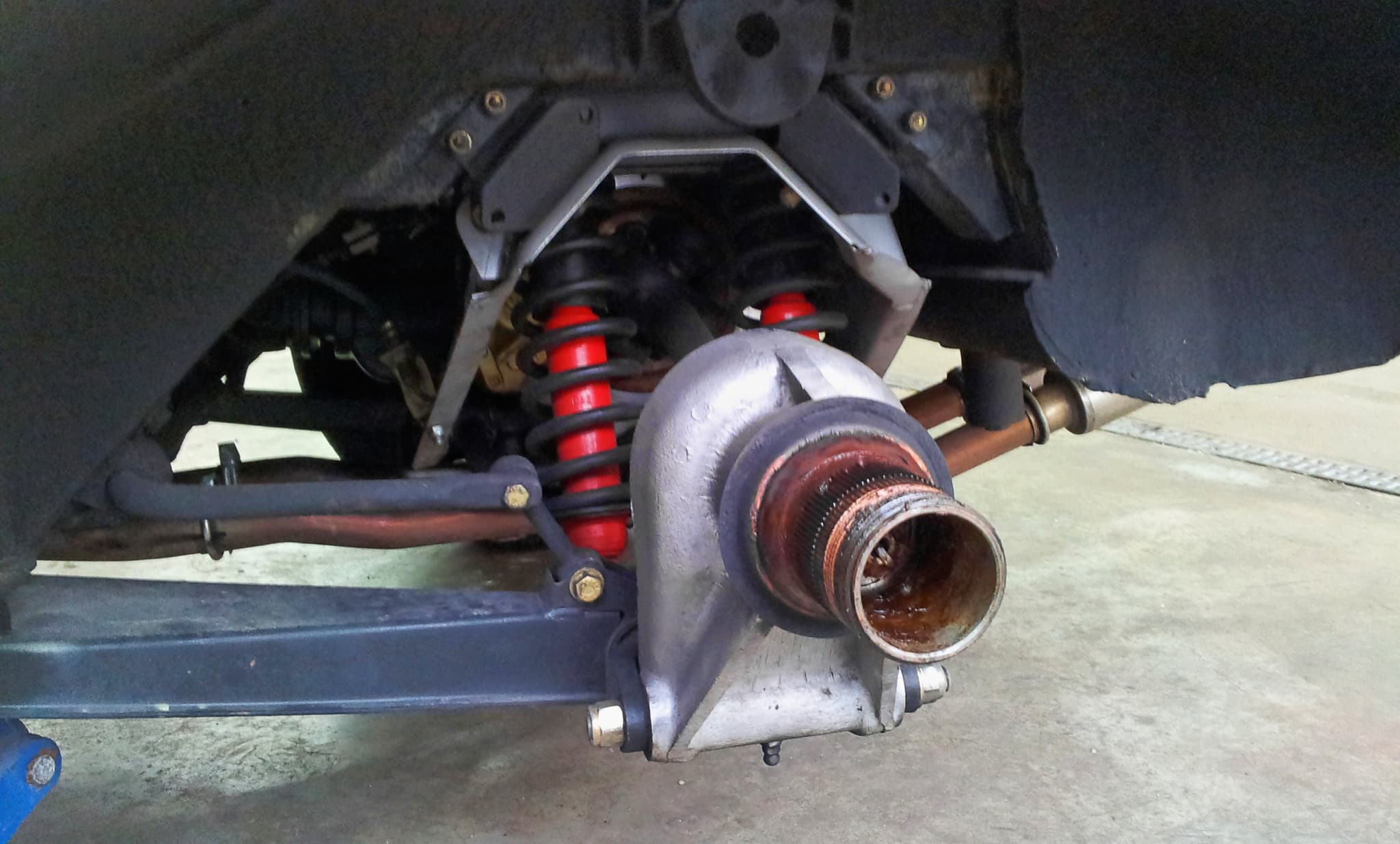
The differential sits between the inboard rear brakes, and its seals leak onto them. Listen for clunks and whines; Jenkinson's axle began to growl at about 15,000 miles. American cars had lower gearing than European ones, so a car's axle ratio can say something of where it has been.
Suspension, steering, brakes and wheels
The rear suspension sits in its own steel cage bolted under the floor, with the brake discs inboard beside the differential. Check the cage's mountings for rust, and the radius arms, bushes, wheel bearings, drive-shaft joints and all four rear dampers. The rear brakes cannot be reached without dropping the cage, oil from the differential is the usual cause of uneven braking, and the self-adjusting handbrake seizes if it is not lubricated.
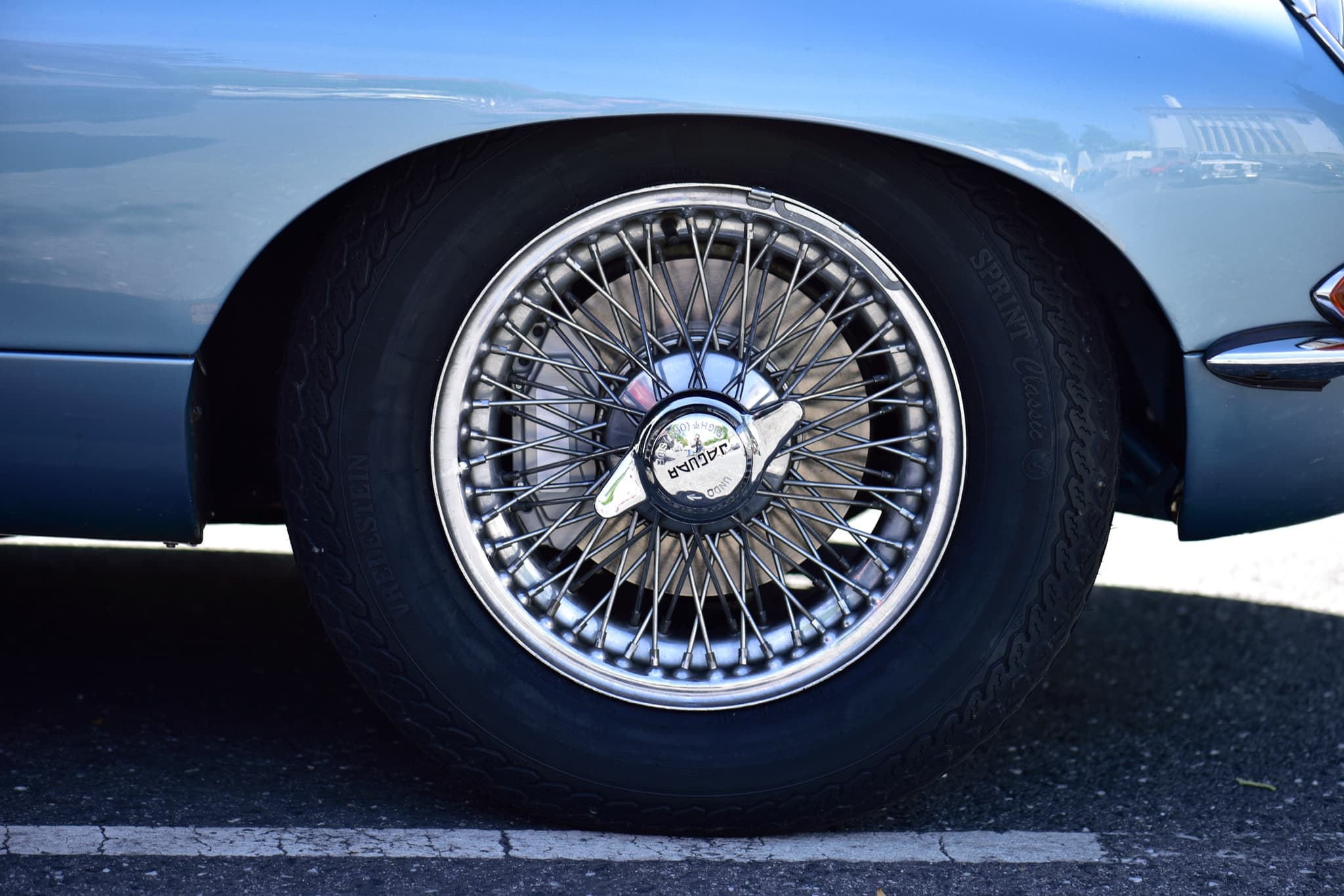
At the front, the wishbones and the rack-and-pinion steering are mounted on the front frame: rock each raised wheel for play in the joints and bearings. Wire wheels were standard on the six-cylinder cars and an extra on the Series 3, whose standard wheels were pressed steel; on wire wheels, check every spoke, the spinners and the splines of the hubs.
The costs are not small. Prestige & Performance Car gave these as typical in 2026, its figures for that year: a rebuilt differential, £1,500 to £2,500; new rear brake discs, with the cage dropped, £1,500 to £2,500; and taking up wear in the front wishbone ball joints with shims, £200 to £300 a side.source 1source 5source 2source 4source 11
Interior, hood and electrics
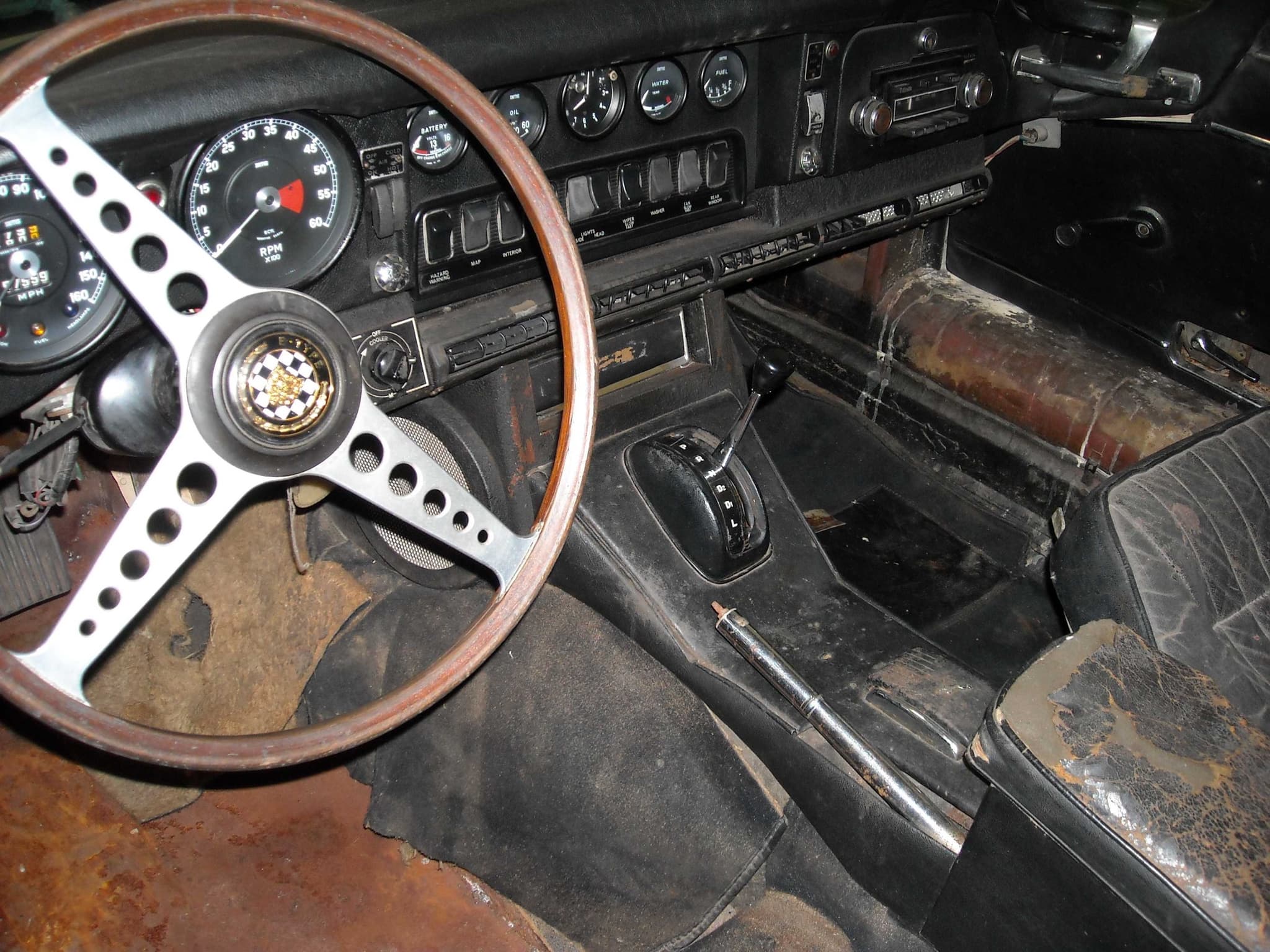
Every piece of trim is made new, but a full retrim of a roadster or coupé is a big job, which Prestige & Performance Car put at from about £5,000 up to £10,000 in 2026. Check the hood (soft top) and the door seals for water, and try every switch. The 4.2's alternator, a real improvement in 1964, was not perfect: Jenkinson's needed a new regulator and new diodes. The interior page tells how the seats and dashboards changed, which helps to tell an original cabin from a retrimmed one.source 5source 9source 4source 2
Numbers and papers
Start with the car number. It gives the series, the body and the original steering side, and the chassis numbers page explains how to read it and where to find it with the engine, body and gearbox numbers. Four in five E-Types were built with left-hand drive, and some have been converted to right-hand drive; a right-hand-drive car with a left-hand-drive number is one of them. A conversion is a fact to know about the car, not a fault.
Then ask for the Jaguar Heritage Trust's Heritage Certificate, or order one: in October 2026 the Trust charged £65 plus VAT and postage. It gives the car's original colour, trim, build and dispatch dates and destination from the factory's records, which can be read against the car. The Trust is clear that a certificate does not, by itself, confirm the identity, originality or present condition of the car in front of you. Its paint-code service gives the original paint, and the colours page has Jaguar's lists. A car coming to British roads from abroad needs both a certificate and an approved club's inspection to be registered.
"History and provenance are highly valued at this level", Goodwood's guide says, "but this should also be matched with documented evidence of any restoration work." Photographs and invoices for structural work count for more than any story.source 12source 13source 7source 14source 2
Upgrades
Many E-Types have been improved by their owners, and much of the work is sensible: a five-speed gearbox in place of the four-speed, stronger brakes, more cooling, an alternator on a 3.8, electronic ignition, even fuel injection. The Jaguar Clubs of North America's technical library has owners' articles on several of them, and Motor Sport's early roadster of 1989 had extra fans and an engine rebuilt to a higher specification. Neither an original car nor an improved one is wrong; the buyer needs to know which this one is, and whether its original parts come with it. Further-reaching cars are on the restomods and electric E-Type pages.source 2source 15source 16source 3
Before you buy
The number
Read the car number for series, body, steering side and, on an American car, its model year.
The certificate
Compare the Heritage Certificate with the car: colour, trim and destination, and the engine, body and gearbox numbers stamped on it.
Underneath
On a lift: the front frame and its mountings, the sills and floors, the box sections, the rear cage's mountings, the arches and the boot floor.
The invoices
Ask for every structural repair's invoice, with the restorer's name.
The engine
Start it cold, then run it hot: oil pressure, temperature, the fan, smoke, chain rattle, the filler cap.
The drive train
Second-gear synchromesh, jumping out on the overrun, the clutch's bite, clunks and whines from the back, oily inboard brakes, the handbrake.
The wheels
Spokes, spinners, splines and the tyres' dates.
The changes
List every upgrade and ask whether the original parts come with the car.
Two years with a 4.2
The best buyer's evidence from the period is Denis Jenkinson's report in Motor Sport of April 1967 on the 4.2 coupé he had bought new two years before and driven about 44,000 miles. By 20,000 miles nothing had broken or fallen off, he wrote, though the tyres and front pads had been worn out by 10,000 and the axle had begun to growl. Then came a seized front brake caliper, a broken alternator and water-pump belt, a silencer that fell off, the alternator's regulator, a broken bonnet catch, after which the bonnet "never fitted quite as nicely", one of the exhaust down-pipes, the alternator's diodes and, at 39,000 miles, a failed brake slave cylinder. His verdict:
It may seem as though I have had endless troubles but really it has been more a question of maintaining the ravages of hard usage and a rough life.
The engine, he added, was "still going like a bird".source 4
Sources
Sources are given as plain text; their addresses are on the sources page.
- Primarymade at the time, by the maker or by people who were there
- Referenceserious later work: clubs, specialists, magazines, books
- Uncheckedencyclopaedias and enthusiast sites: cited beside a good source, named in the sentence, or marked Unchecked
- Bill Boddy, "The New 3.8-Litre Jaguar E-Type G.T.", Motor Sport, Apr 1961, p. 35, p. 35, the construction: the monocoque and the front frame; p. 35, "20-gauge steel" and the Reynolds tubular front frame; p. 35, the rear suspension in its subframe and the inboard brakes. Primary
- Goodwood Classic Solutions (classic car insurance), "Jaguar E-Type (Series 1)" (buyer's guide), 13 Mar 2023, updated 22 Dec 2023, "most cars will have had some degree of restoration by now"; the choice of version; "Structural corrosion is an ever-present concern"; the engine checks; the gearboxes and the clutch; the brakes and the handbrake; the seating position; "History and provenance are highly valued"; "up to and including five-speed transmissions"; fuel injection. Reference
- William Kimberley, "The Jaguar E-Type 3.8, 4.2 & V12", Motor Sport, Apr 1989, p. 81, p. 81, the restoration of an early roadster; p. 81, the sills, the centre section, the scuttle and the coupé's rear wings; p. 81, "the earlier cars were prone to overheating"; p. 81, the fans and the rebuilt engine. Reference
- Denis Jenkinson, "Two years with the Jaguar E-type", Motor Sport, Apr 1967, p. 22, p. 22, why he chose a 4.2; p. 22, the bonnet catch; p. 22, the engine in 40,000 miles; p. 22, the gearbox and the rear axle; p. 22, the oily rear brakes and the front caliper; p. 22, the alternator's regulator and diodes; pp. 22–25, the log of faults and the engine. Primary
- Jamie King, "Jaguar E-type Series 1 and Series 2 buyer's guide", Prestige & Performance Car, 19 Mar 2026, the Series 2's seating and ventilation; Bodywork and chassis: the engine frame, sills, floors, arches, doors and bonnet; Engine and transmission: the checks and the 2026 rebuild cost; Engine and transmission: the gearboxes and the clutch; Suspension, steering and brakes: the checks and the 2026 costs; the wheels; Interior and trim: the trim, and the 2026 cost of a full retrim. Reference
- Jaguar Daimler Heritage Trust, "1974 Jaguar E-type Series 3 V12 OTS HDU 555N: The Last E-type Built", "most cars were fitted with the automatic". Primary
- Jaguar Daimler Heritage Trust, Research Guide No. 001F: Chassis Number Runs and Change Points by model – Jaguar E-type, Issue 3, January 2023, the BW suffix; the car-number blocks by steering side. Primary
- E-Type UK (restorer and dealer, Hadlow, Kent), "Jaguar E-Type Buying Guide", the warning signs: underseal, doors and bonnet; the V12 checks. Unchecked
- James Howe, "Jaguar E-type essential owner's guide", Prestige & Performance Car, 21 Sep 2023, the head studs; the V12's tensioner and carburettors; the hood and door seals. Reference
- Motor Sport, "The 4.2-Litre Jaguar E-type" ("A lengthy road test of the 150 m.p.h. E-Type"), Jan 1965, p. 23, p. 23, the all-synchromesh gearbox; the data panel, the home and American axle ratios. Primary
- Denis Jenkinson, "Driving the V12 Jaguar", Motor Sport, Apr 1971, p. 64, p. 64, the Series 3's wheels. Primary
- Jaguar Daimler Heritage Trust, "Heritage Certificates", what a certificate records and does not confirm; the fee, October 2026; the DVLA; the numbers an applicant supplies. Primary
- Jaguar Daimler Heritage Trust, "Paint Codes", the paint-code service. Primary
- XKEdata (xke.collectordata.com), "Statistics", Totals row, left- and right-hand drive. Reference
- Jaguar Clubs of North America, "When Three Plus Four Became Five! …or, How I Learned the New Math!" (E-type 5 Speed Conversion), an owner's five-speed conversion of a 1965 coupé. Reference
- Jaguar Clubs of North America, "Technical & Originality" (library index), the radiator and alternator articles. Reference
- Jaguar Enthusiasts' Club (jec.org.uk), "E-Type" (model page), pre-purchase inspections for members. Reference