Jaguar E-Type Versions
Three series, three bodies and two families of engine, built from 1961 to 1974, with the factory's competition cars beside them and Jaguar's own restorations and continuations after them. "Series 1½" is an enthusiasts' name, not Jaguar's.
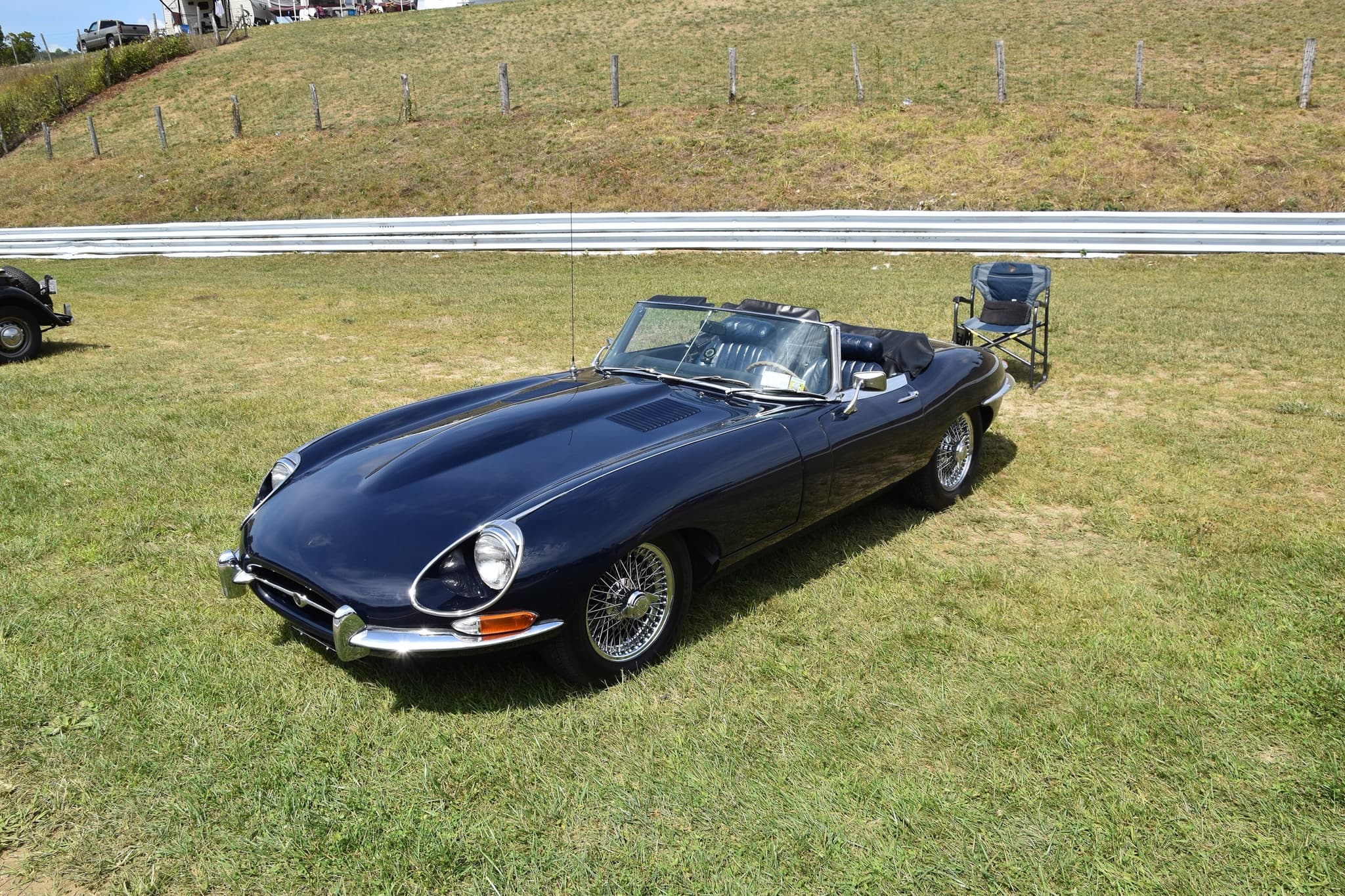
Jaguar's own name for the car was the "E" Type; the hyphen, the Jaguar Clubs of North America note, is common usage. Between 1961 and 1974 Jaguar built it in three series, with three bodies, and kept changing it within each series, so the names below are best read as the main turning points, with the car numbers in the Jaguar Heritage Trust's tables marking where each began and ended.source 1source 2
The three series
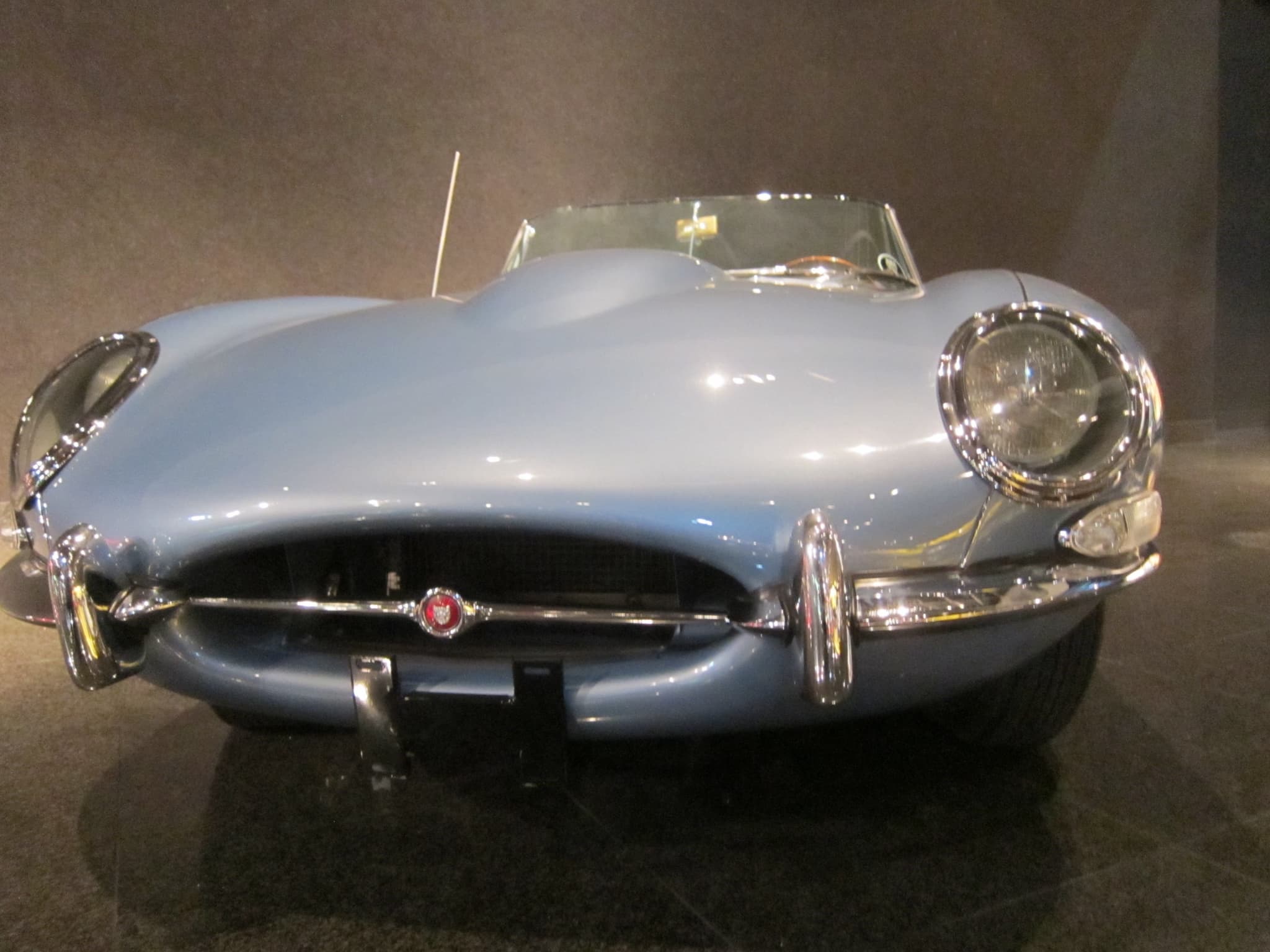
Jaguar made the Series 1 from March 1961 to July 1968: with the 3.8 engine until August 1964 and the 4.2 after it. The 4.2's great change was its gearbox (transmission), Jaguar's own all-synchromesh one in place of the old box that had no synchromesh on first.
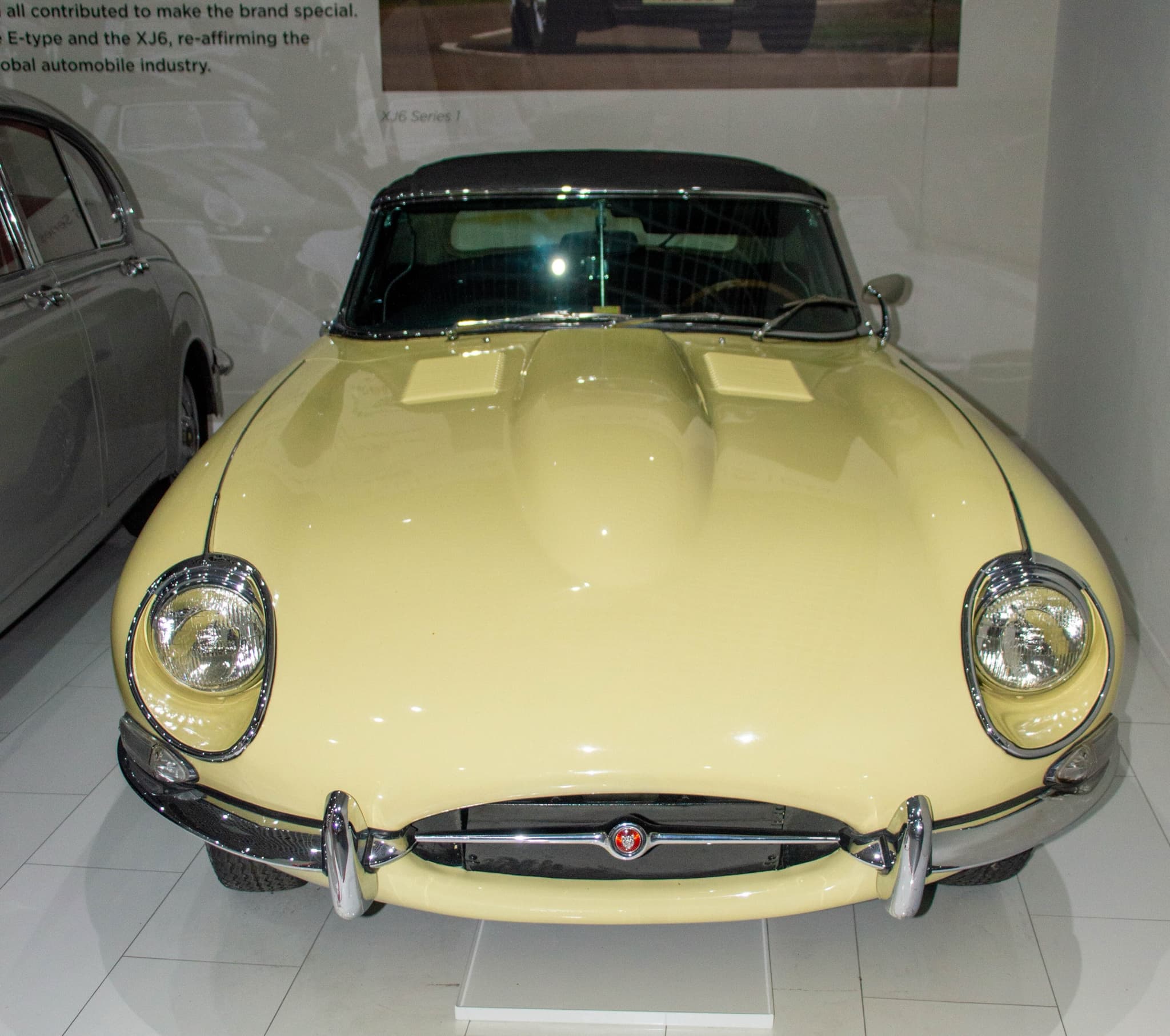
Upon the introduction of the 'Series 2 E-Type', the previous model became known as the 'Series 1 E-Type'.
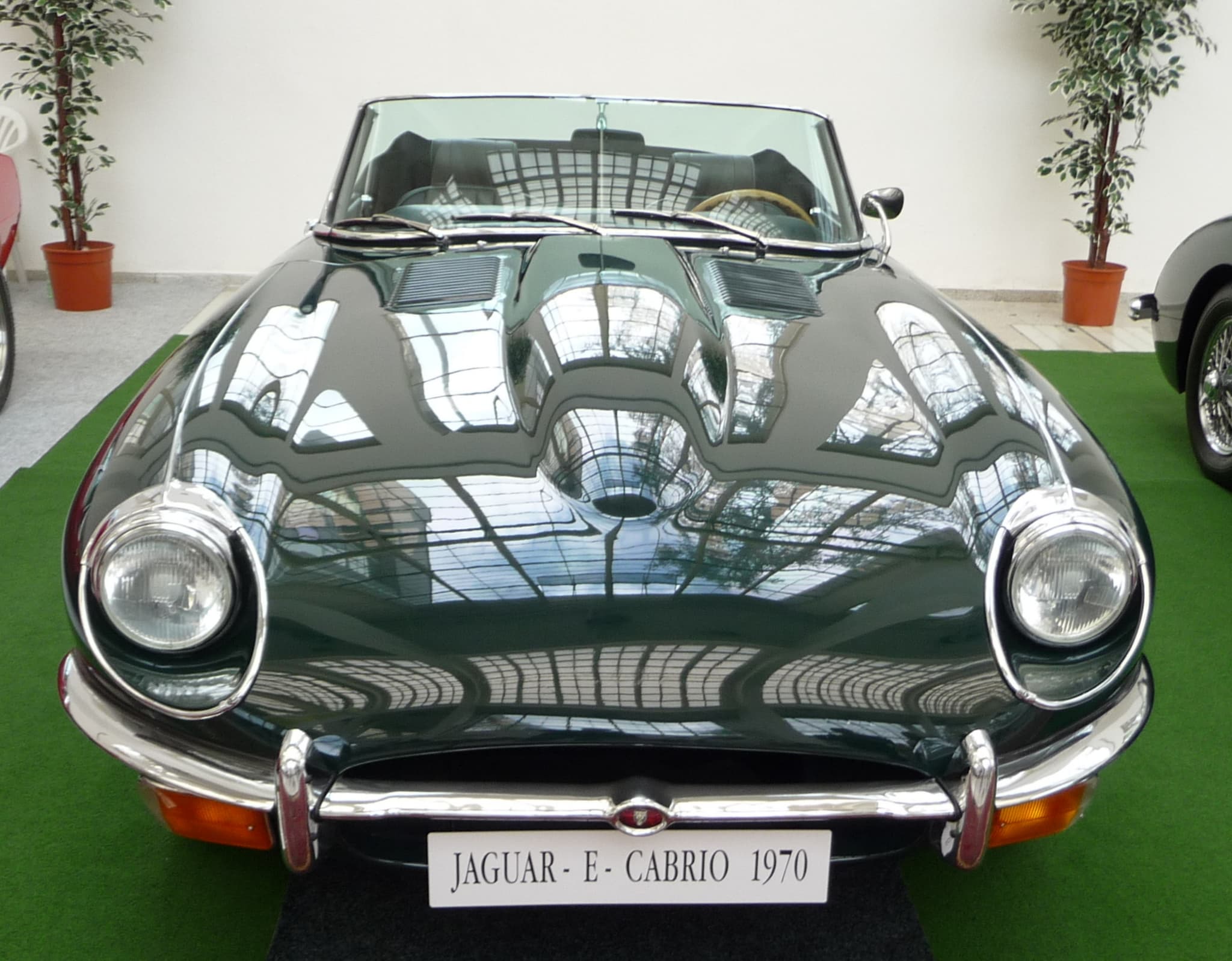
"Series 2", by contrast, was an official name from the start, with its own car-number prefix, 1R in place of 1E. The Series 2 ran from August 1968 to October 1970 and answered the American rules of 1968 with uncovered headlamps, a bigger air intake and lower lamps. Then came the Series 3, the V12, from December 1970 until June 1974. A six-cylinder Series 3 was announced and listed beside it, but it was hardly built at all, as the V12 page tells.
Between the first two series sit the cars enthusiasts call the "Series 1½": the 4.2 cars of 1967 and 1968 that had already lost their headlamp covers, and, in North America, the first federal cars. It was never a factory name, and the Jaguar Heritage Trust writes it in quotation marks. The XKEdata register, whose count the line-up below uses, counts them as a group of their own; the Series 2 page explains the name and its two meanings.source 1source 2source 3source 4source 5source 6source 7source 8
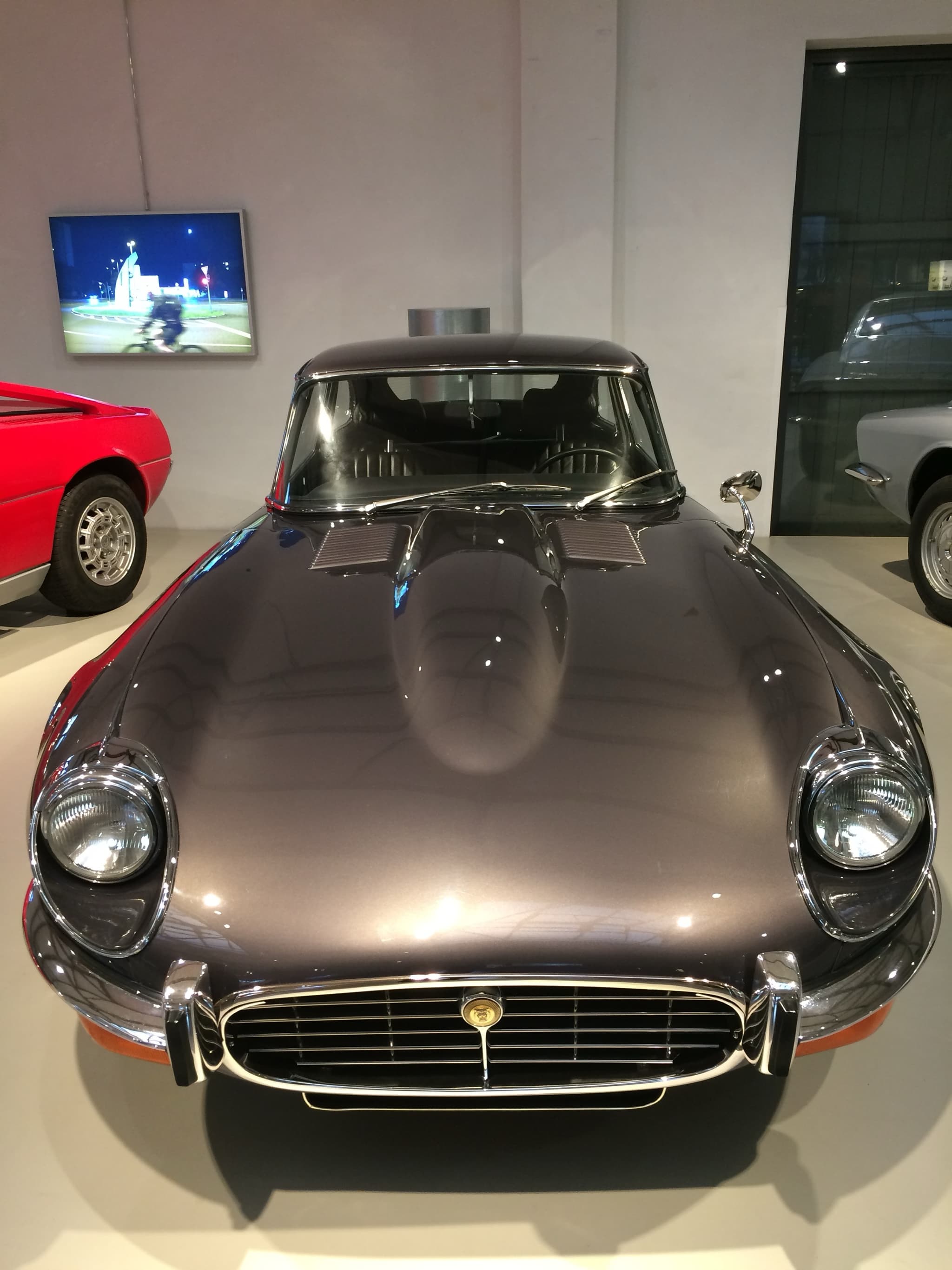
Three bodies
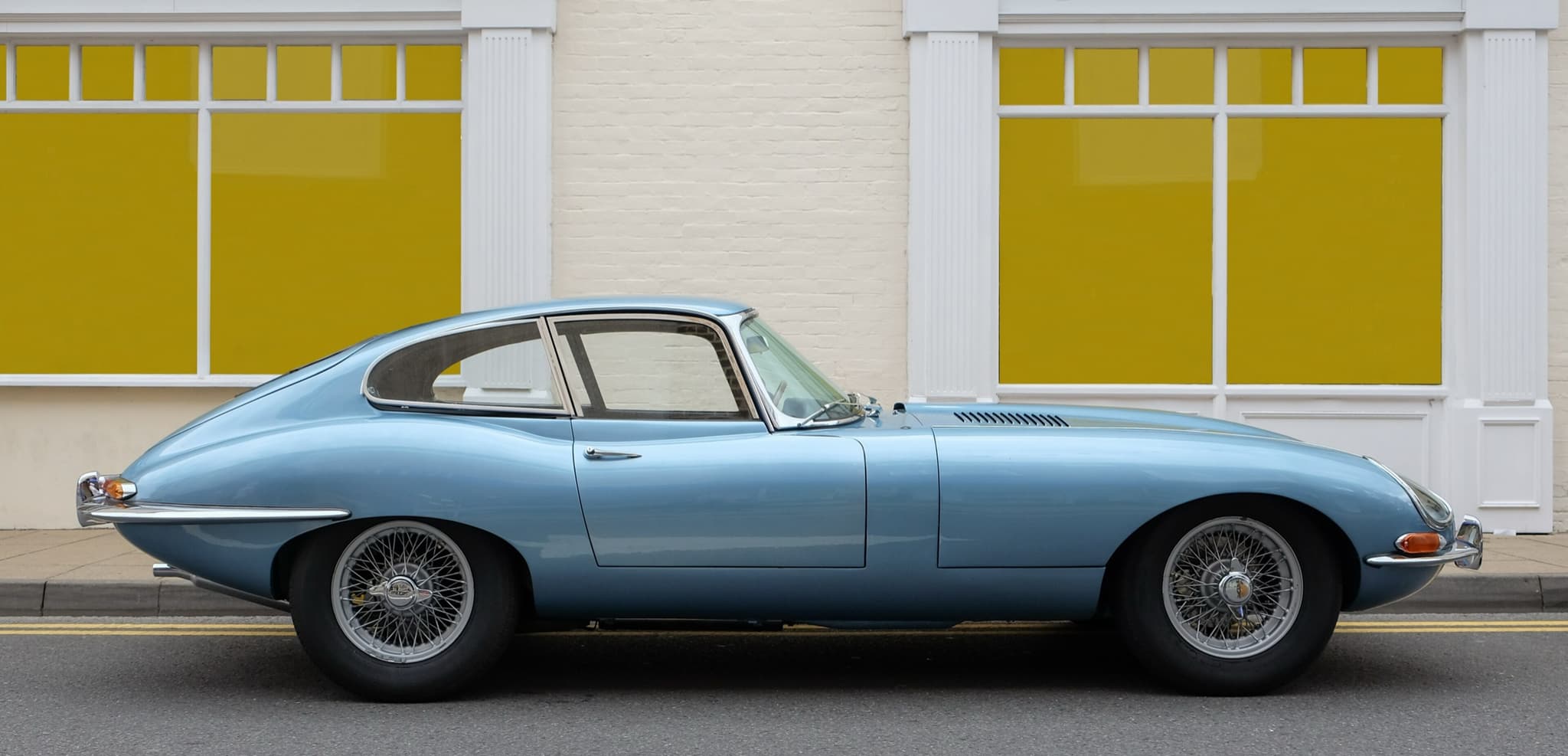
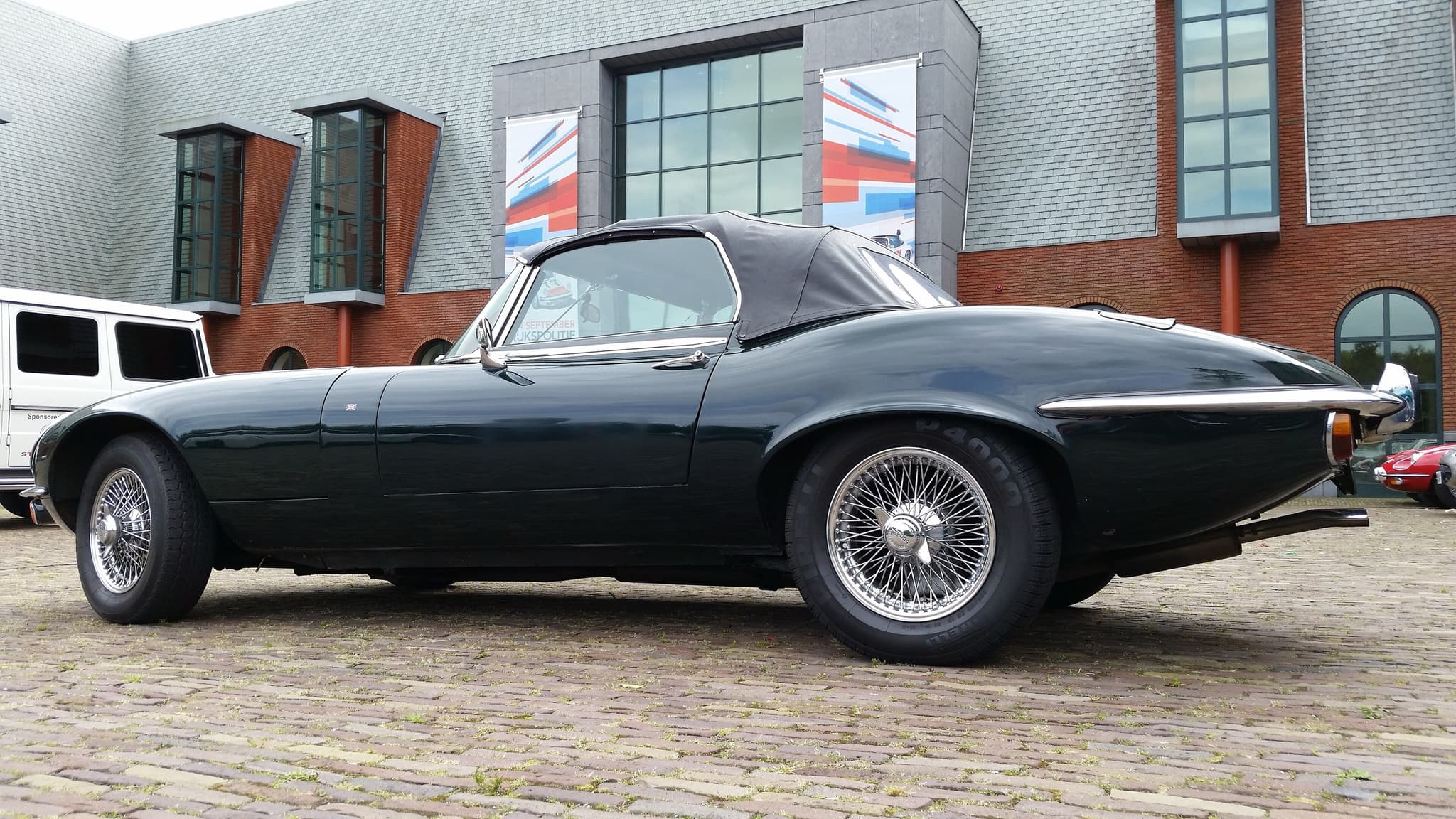
Only one body ran through all three series: the open two-seater, the roadster, which many call a convertible. Its closed sister, the two-seat coupé, stopped with the Series 2. The third body, the 2+2, was a coupé on a longer floor with two small rear seats, added in 1966 and kept until 1973. In the Series 3 the roadster moved to the 2+2's longer floor too, and the short car, as Denis Jenkinson put it in Motor Sport, was "finished".
By the XKEdata register's count, nearly half of all E-Types were roadsters, with the rest split roughly evenly between coupés and 2+2 cars.source 1source 5source 9source 10
Competition cars
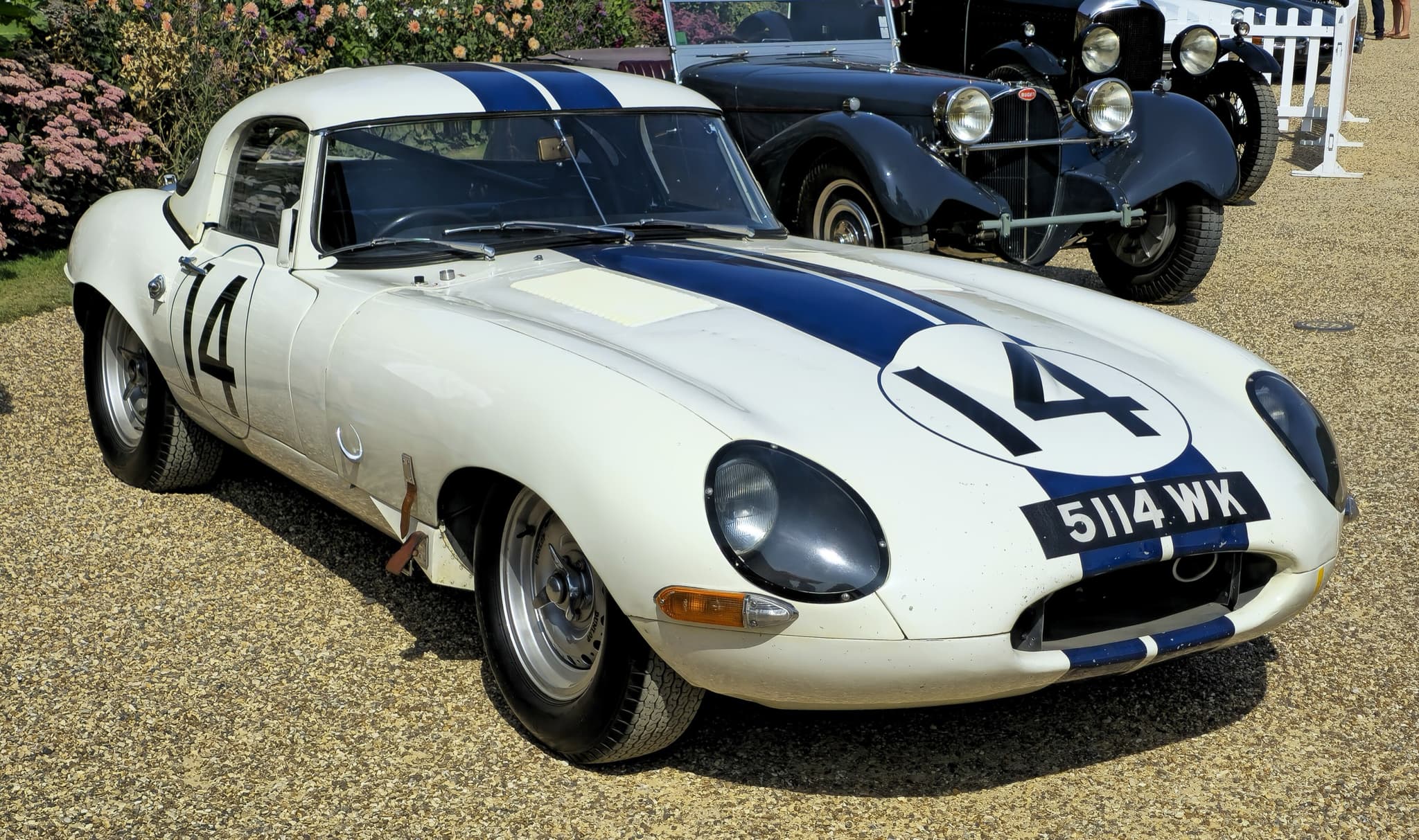
The factory's competition E-Types were few. E1A, the experimental car of 1957, and E2A, the racing prototype that ran at Le Mans in 1960, came before the launch and are on Prototypes. Malcolm Sayer's Low Drag Coupé followed in 1962. The Lightweights of 1963–64, open cars with aluminium hardtops and aluminium monocoques, were planned as a run of 18, and fewer were built. In America, Group 44's V12 won the SCCA's B Production championship in 1975. Racing tells their stories.source 11source 12source 13source 14source 8source 15
After 1974
Jaguar came back to the E-Type in 2014, when it announced new Lightweights on chassis numbers allocated in 1963 and never used, built in 2014–15 after a prototype it called Car Zero; those are on the Lightweight page. Jaguar Classic has since restored original cars for sale, among them the 60 Collection of 2021, sold in matched pairs: E-Type Reborn covers them, and Electric Jaguar E-Type the battery-powered cars.
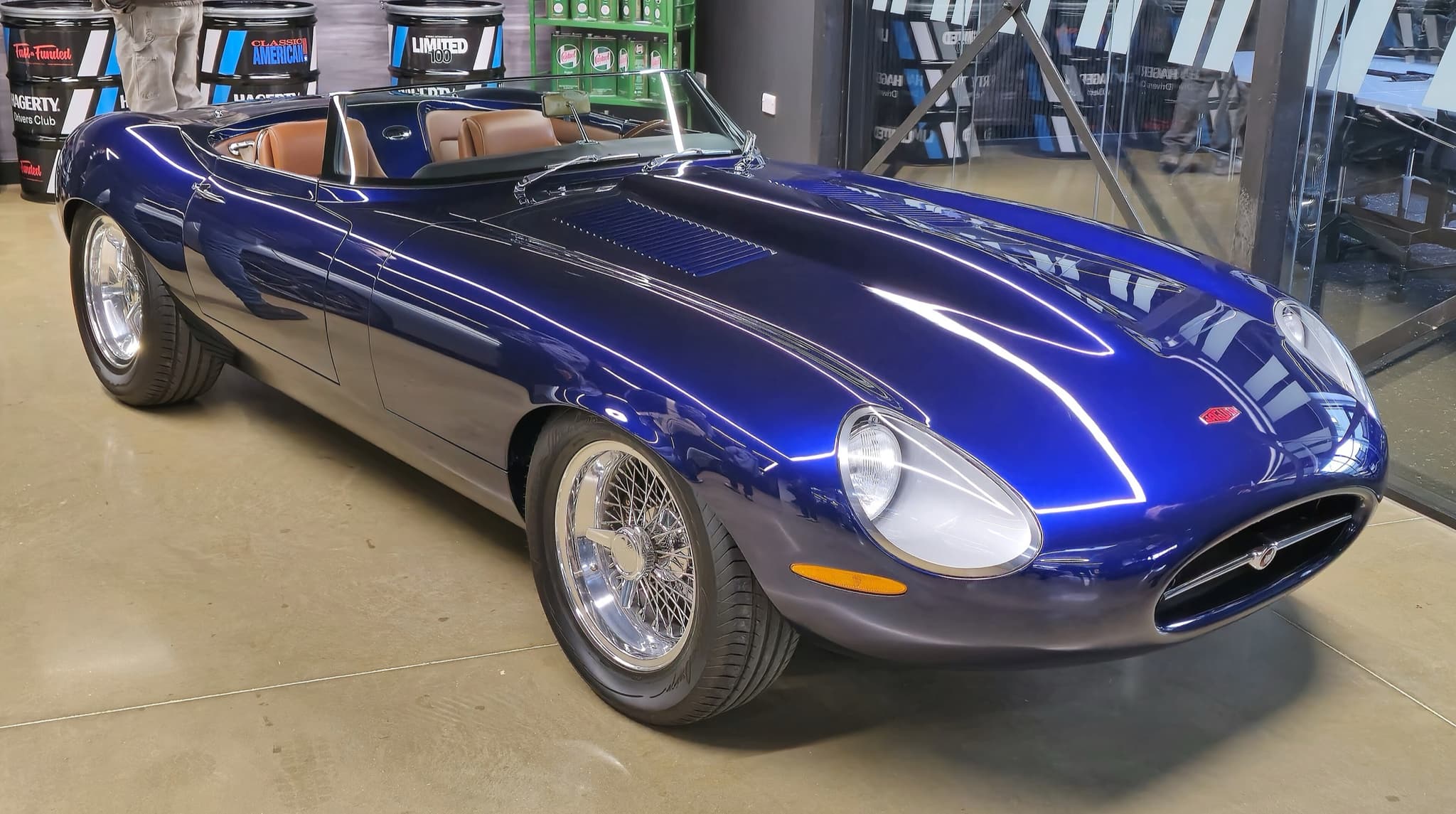
The other makers' cars are not Jaguars. Eagle rebuilds E-Types under its own name, and there are restomods and replicas besides.source 14source 16source 17
Versions
Sources for Versions
- Series 1
- 31,693 built: XKEdata (xke.collectordata.com), "Statistics"source 5
- Series 1½
- 6,726 built: XKEdata (xke.collectordata.com), "Statistics"source 5
- Series 2
- 18,809 built: XKEdata (xke.collectordata.com), "Statistics"source 5
- Series 3 V12
- 15,287 built: XKEdata (xke.collectordata.com), "Statistics"source 5
- Lightweight
- 3.8-litre (L): Jaguar Land Rover (Jaguar media newsroom), "The Lightweight E-type is Reborn" (press release), 14 May 2014source 14
- 12 built: Jaguar Land Rover (Jaguar media newsroom), "The Lightweight E-type is Reborn" (press release), 14 May 2014source 14; Motor Sport, "Jaguar E-type: the end of production and end of an era – but not of a legend", May 1975, p. 29source 8
- Low Drag Coupé
- "an alloy dry-sump fuel-injected 3.8-litre engine" (L): Damien Smith, "Cut and pace", Motor Sport, Mar 2005, p. 86source 13
- 1 built: Damien Smith, "Cut and pace", Motor Sport, Mar 2005, p. 86source 13
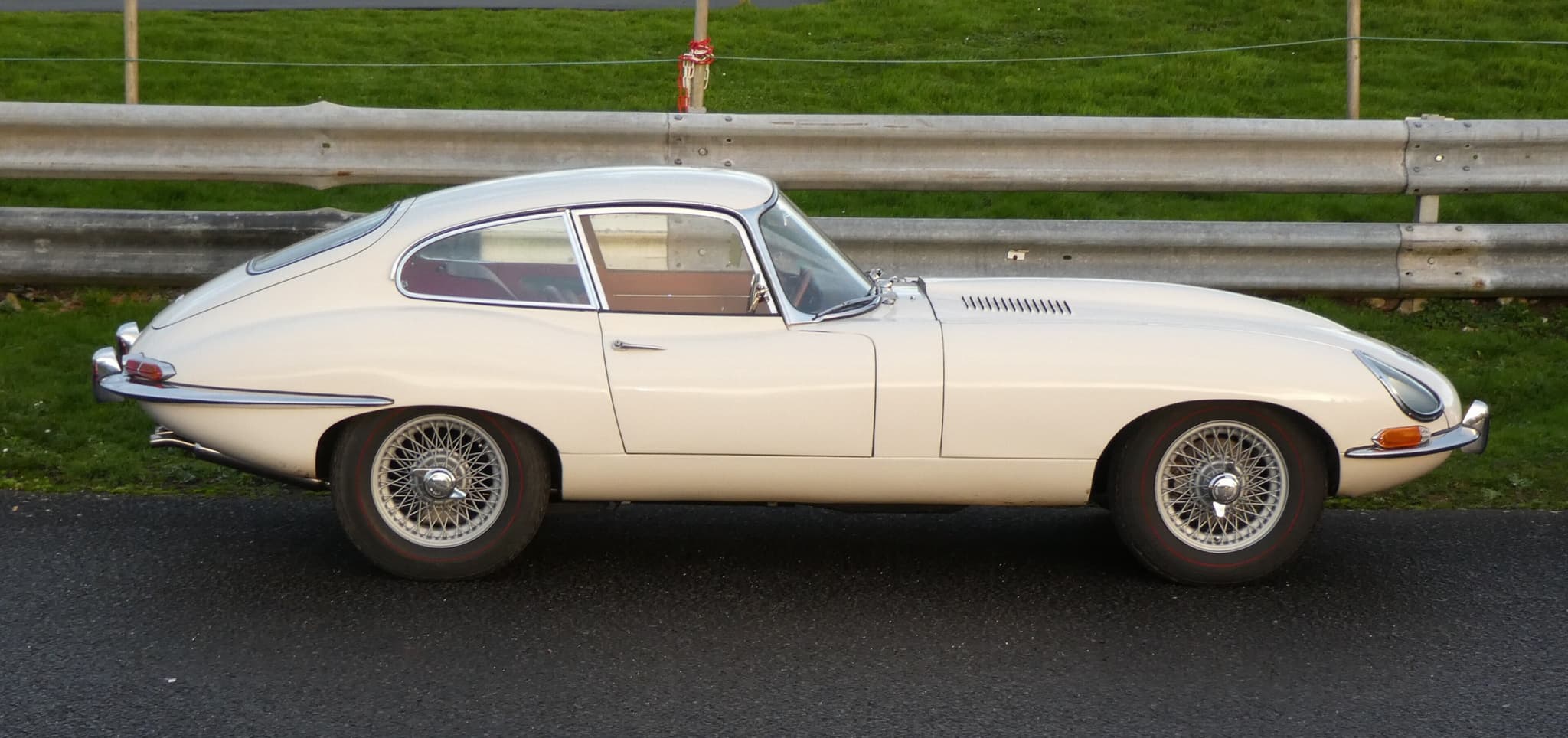
Series 1
1961–1967
31,693 built
Series 1½
1967–1968
6,726 built
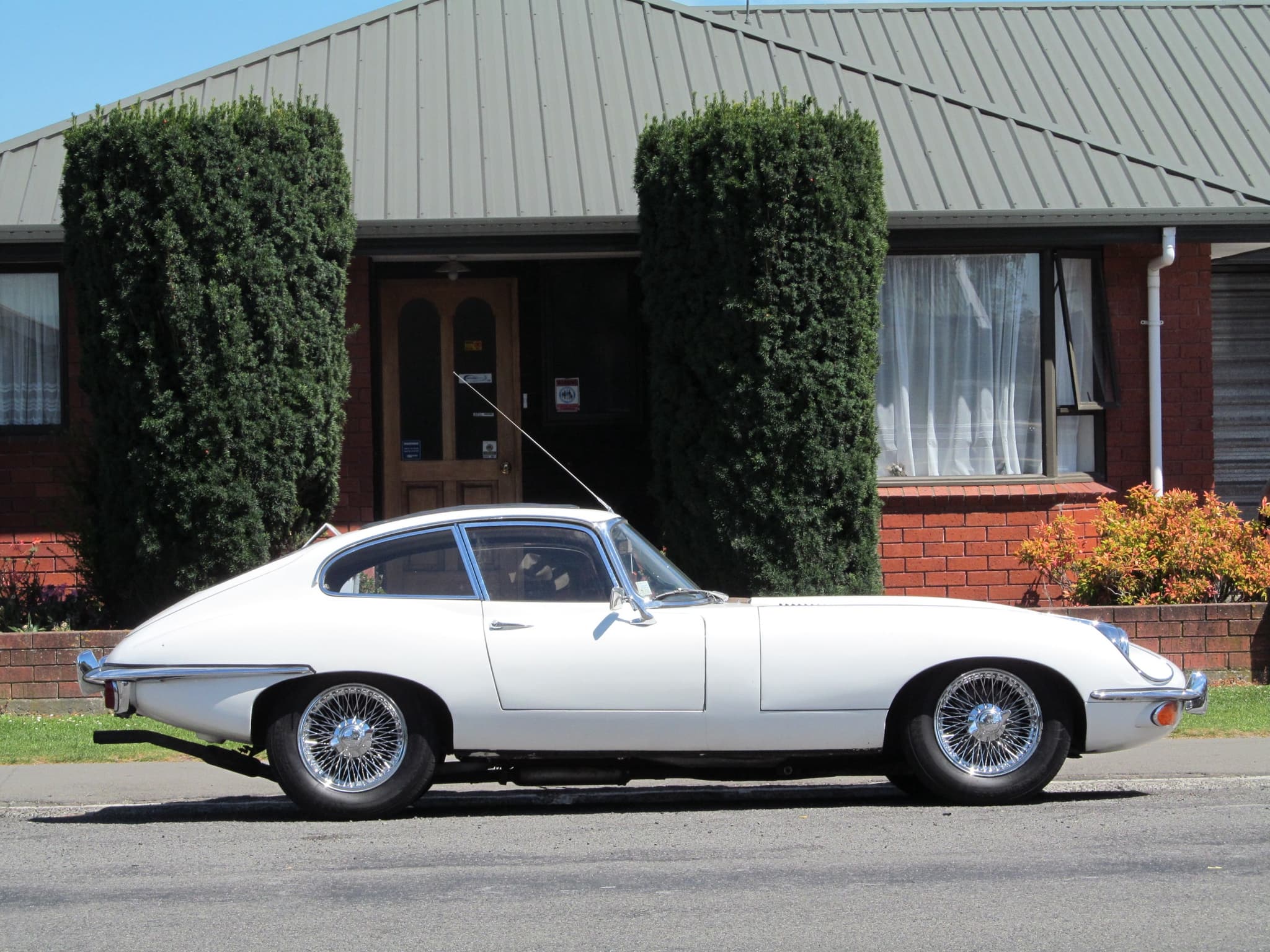
Series 2
1968–1971
18,809 built
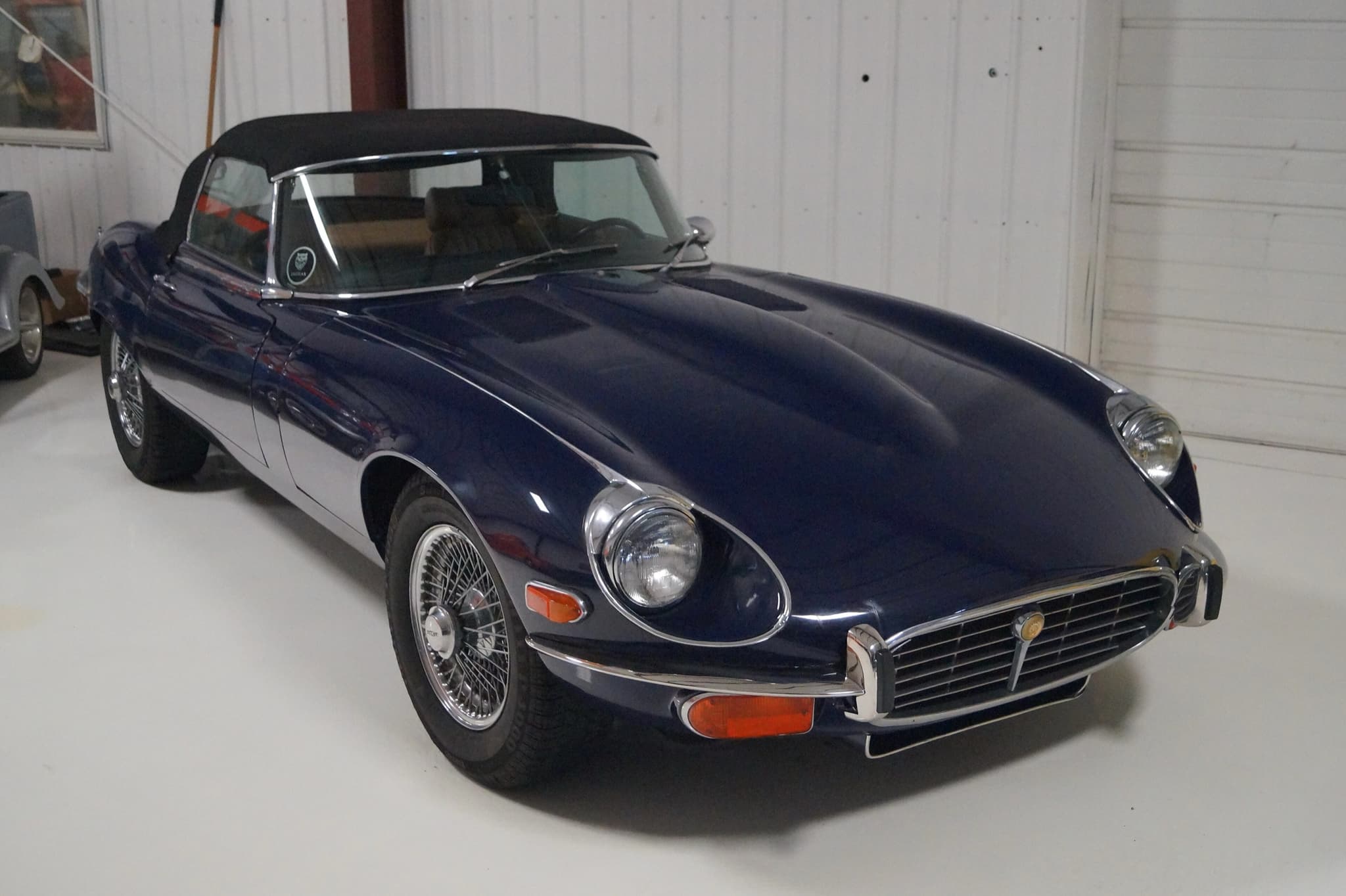
Series 3 V12
1971–1974
15,287 built
Lightweight
1963–1964 · 3.8-litre (L)
12 built
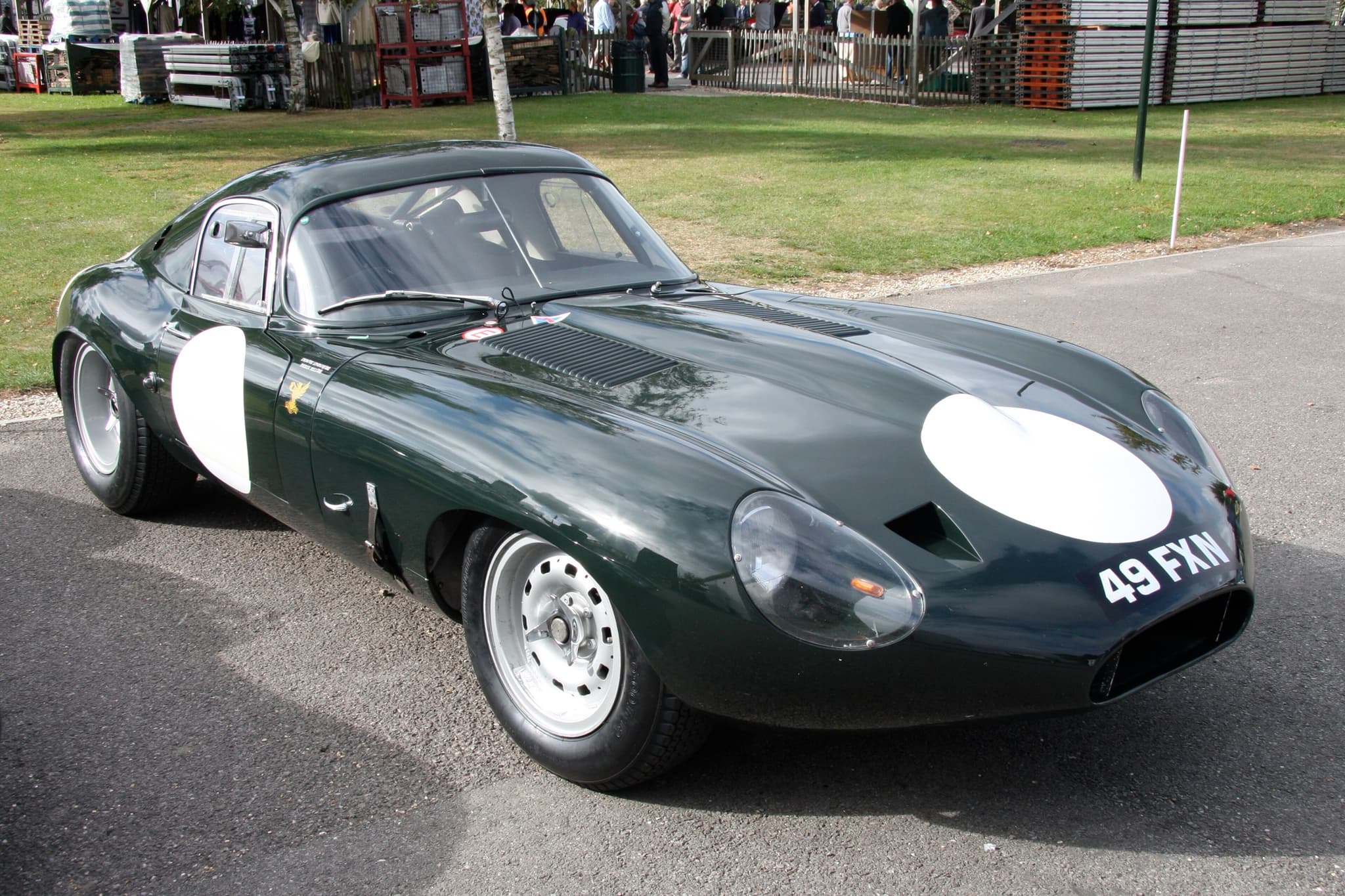
Low Drag Coupé
1962–1962 · "an alloy dry-sump fuel-injected 3.8-litre engine" (L)
1 built
Pictures, top to bottom: Andrew Bone from Weymouth, England, CC BY 2.0; Riley from Christchurch, New Zealand, CC BY 2.0; Greg Gjerdingen from Willmar, USA, CC BY 2.0; MrWalkr, CC BY-SA 4.0; Brian Snelson from Hockley, Essex, England, CC BY 2.0.
Sources
Sources are given as plain text; their addresses are on the sources page.
- Primarymade at the time, by the maker or by people who were there
- Referenceserious later work: clubs, specialists, magazines, books
- Jaguar Daimler Heritage Trust, Research Guide No. 001F: Chassis Number Runs and Change Points by model – Jaguar E-type, Issue 3, January 2023, the runs by series, body and steering side; first and last car numbers of each series; Open Two-Seater, Fixed Head Coupé and 2+2 runs. Primary
- Jaguar Clubs of North America, Series 1 E-Type Judge's Guide (draft), part 1: Intro–Exterior, Draft, version of 21 Jul 2026, introduction: the name "E" Type; "Series 1" and "Series 1½". Reference
- Jaguar Daimler Heritage Trust, "E-Type Evolution Exhibition", the Series 2 and its 1R prefix. Reference
- Jaguar Daimler Heritage Trust, "1974 Jaguar E-type Series 3 V12 OTS HDU 555N: The Last E-type Built", "Series 1½" in quotation marks. Primary
- XKEdata (xke.collectordata.com), "Statistics", statistics, "Series 1.5"; statistics, totals by body; statistics, Series 1; statistics, Series 1.5; statistics, Series 2; statistics, Series 3. Reference
- Motor Sport, "The 4.2-Litre Jaguar E-type" ("A lengthy road test of the 150 m.p.h. E-Type"), Jan 1965, p. 23, the 4.2's gearbox. Primary
- Bill Boddy, "On the road with the V12 E-type Jaguar", Motor Sport, Jan 1972, p. 36, the Series 2 at the Motor Show; the six-cylinder Series 3. Primary
- Motor Sport, "Jaguar E-type: the end of production and end of an era – but not of a legend", May 1975, p. 29, the Series 3 six-cylinder car; "Only 12 full lightweights". Primary
- Bill Boddy and Denis Jenkinson, "The Jaguar E-type 2+2", Motor Sport, Apr 1966, p. 18, p. 18, the 2+2. Primary
- Denis Jenkinson, "Driving the V12 Jaguar", Motor Sport, Apr 1971, p. 64, p. 64, the 8 ft. wheelbase car finished. Primary
- François Prins, "The Story of the E1A: The Experimental Car That Preceded The E-Type", Jaguar Daimler Heritage Trust, E1A. Reference
- François Prins and Tony Merrygold, "The Story of the E2A: E for Exciting Experiment", Jaguar Daimler Heritage Trust, E2A. Reference
- Damien Smith, "Cut and pace", Motor Sport, Mar 2005, p. 86, the Low Drag Coupé: one built; text; para 7. Reference
- Jaguar Land Rover (Jaguar media newsroom), "The Lightweight E-type is Reborn" (press release), 14 May 2014, editors' notes: the Lightweights planned and built; the six remaining chassis numbers; text; editors' notes; para 2. Primary
- Jaguar Daimler Heritage Trust, "1974 Jaguar E-Type Group 44 Racing Car", the 1975 championship. Primary
- Jaguar Land Rover (Jaguar media newsroom), "Jaguar Land Rover Special Operations Reveals 'New' Lightweight E-type" (press release), 12 Aug 2014, Car Zero. Primary
- Jaguar Land Rover (Jaguar media newsroom), "Jaguar Classic Reveals E-type 60 Collection: 60th Anniversary Tribute to the Iconic Sports Car" (press release), 12 Mar 2021, the six pairs. Primary